From White Paint to Walnut and Oak: What the Wood Cabinet Trend Means for Your Kitchen
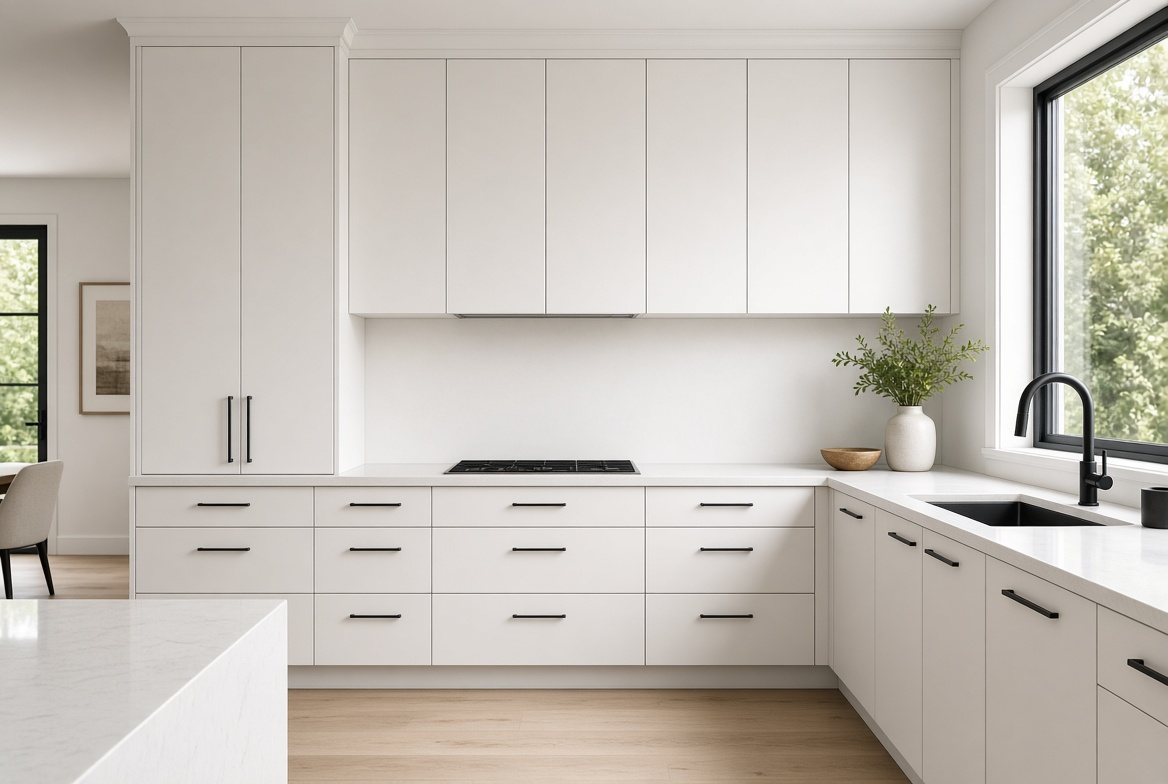
For about fifteen years, the default kitchen was white: painted shaker doors, white quartz, maybe a gray island if you were feeling bold. That default is shifting. Wood cabinets, in real species with visible grain, are back at the centre of kitchen design, and from where we stand in the shop that's welcome news. Here's what's driving the change, and what to think through if you're planning a wood kitchen of your own.
What the Wood Cabinet Trend Actually Looks Like
This isn't only a designer's hunch. The 2026 U.S. Houzz Kitchen Trends Study found that wood has overtaken white as the most popular cabinet colour among renovating homeowners: 29% chose wood and 28% chose white. Medium wood tones led, followed by light woods.
The tone is getting deeper, too. Designers quoted by Homes & Gardens expect walnut and mahogany to keep gaining on the pale oak that dominated recent years. They also point to stained finishes, including greens and blacks that leave the grain visible, as an alternative to flat paint.
Along with the warmer palette comes a looser layout. Country Living's 2026 trend roundup highlights unfitted kitchens and worktable islands that feel "collected over time, rather than built in a day." In practice, most people aren't tearing out every upper cabinet. More often they mix runs of fitted wood cabinetry with one or two pieces that read as furniture.
Choosing a Species: Oak, Walnut, Cherry, Maple
Species choice drives both the look and how the kitchen ages, so it deserves more thought than a sample chip usually gets. The WOOD Magazine species guide is a good primer. In short:
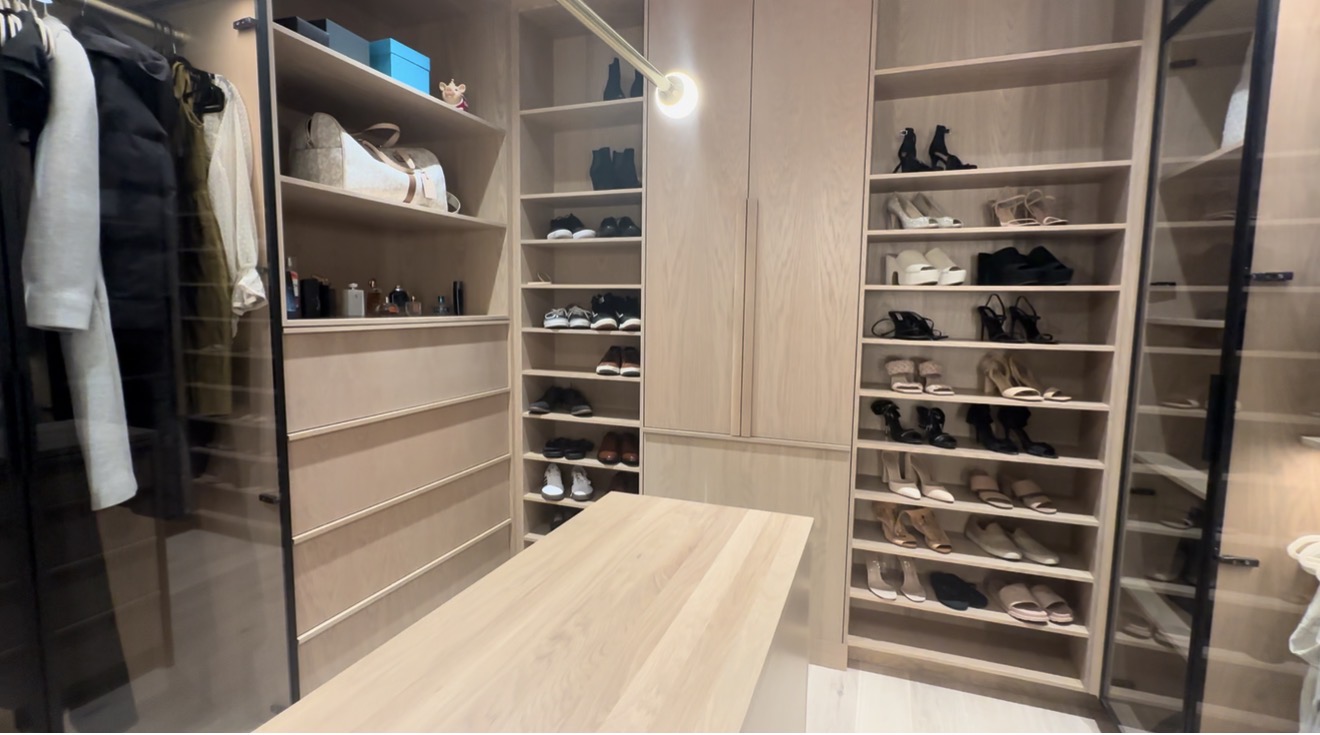
White oak is the workhorse. It's stable, hard-wearing, and takes stain predictably. Rift-sawn oak has a calm, straight grain that suits modern and transitional doors. Plain-sawn oak shows the bold cathedral figure that looks more traditional.
Walnut gives you depth without needing any stain. It's softer than oak and costs more, and it lightens slightly over time as it's exposed to light.
Cherry darkens noticeably as it ages. Some people love that and some don't, so look at aged samples before deciding.
Maple is hard and tight-grained, but it can blotch under stain. It's often a better choice for painted parts than for a stained wood kitchen.
Whichever you pick, ask how the doors will be sequenced. On a run of drawer fronts or a tall pantry wall, grain that flows from one piece to the next is what separates good wood cabinetry from cabinetry that merely happens to be wood. It takes extra planning and material, so raise it early.
Finishes That Hold Up in a Real Kitchen
A wood kitchen lives or dies by its finish. Here are the main options and their trade-offs:
Catalyzed or conversion varnish lacquers are the durable standard for cabinetry. They resist water, grease, and cleaners, and you can choose a sheen from dead flat to satin. Most clients ask for low sheen now, because it reads as more natural.
Hardwax oils feel wonderful and are easy to spot-repair, but they need periodic maintenance. They're better suited to an island top or a furniture piece than to the cabinet beside the dishwasher.
Stains under clear coat let you tune the colour. A dye or stain can warm up oak or push it toward walnut. Ask for a sample on the actual species and cut you'll be using, not a printed swatch.
In Ottawa, humidity matters more than people expect. Our winters are dry with the heat running, and our summers are humid. Solid wood moves with those swings. Well-built doors account for this with properly made five-piece construction, veneered panels on stable cores where it makes sense, and finish on every face, so the door takes on and loses moisture evenly. If a quote doesn't mention how the doors handle movement, ask.
Door Styles, Overlays, and Hardware
Wood changes how the details read.
Overlay: Full-overlay slab or slim shaker doors in rift oak look clean and contemporary. Inset doors sit flush inside a face frame, have more of a furniture look, and pair naturally with the unfitted, collected style. Inset costs more and needs careful fitting, because the reveals are visible all the way around every door.
Hardware: Warm wood flatters unlacquered brass, bronze, and blackened steel. Unlacquered brass will patina, so make sure you actually want that. On the hidden side, soft-close hinges and full-extension undermount slides are worth the money in any kitchen. With inset doors, confirm that the hinge type suits the face frame.
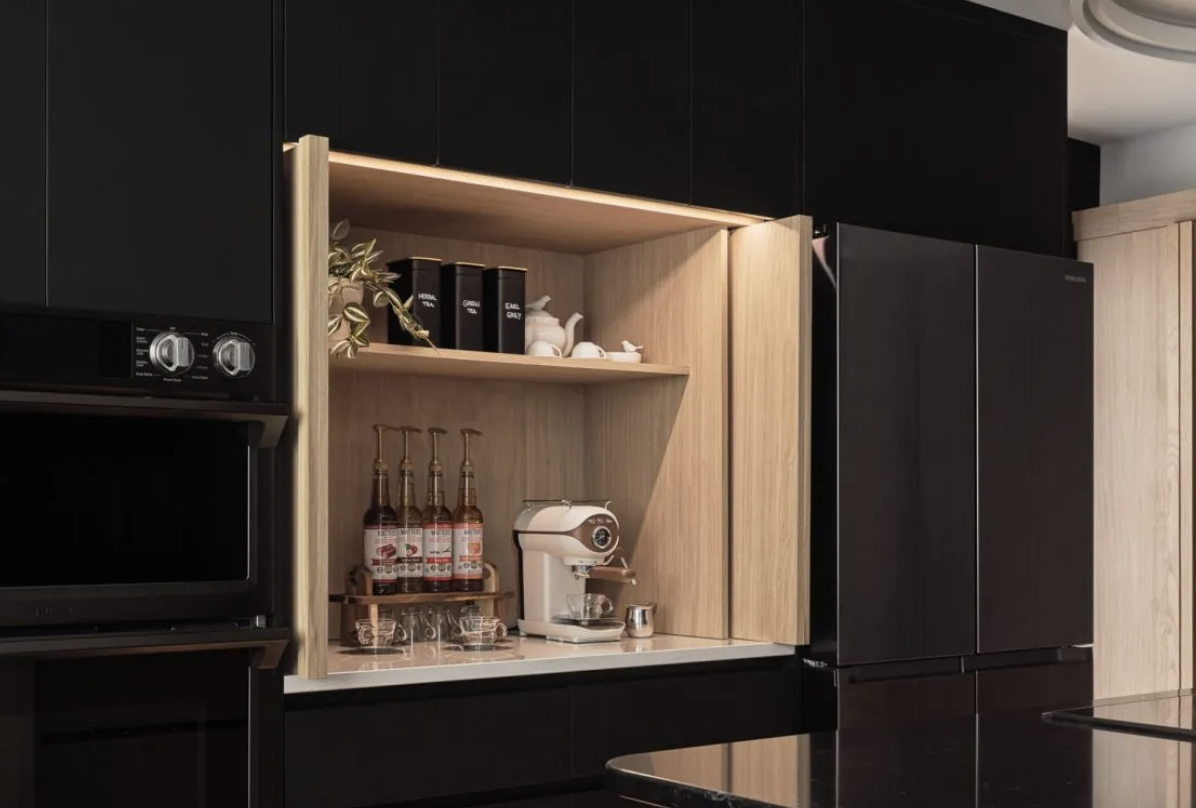
Mixing wood and paint: A full wood kitchen can feel heavy in a smaller room. Common fixes include wood base cabinets with painted or plastered uppers, a painted perimeter with a wood island, or a single wood hutch in an otherwise painted kitchen. As a rule of thumb, pick one main wood, possibly one secondary wood, and one paint colour. Any more than that and the room starts to look accidental.
Storage Still Comes First
A beautiful wood kitchen still has to work at 7 a.m. Before you get attached to a look, map out what you store and where you use it. Deep drawers in the base cabinets almost always beat doors for pots and dishes. Tall pantry units with roll-outs make the most of a wall. A furniture-style hutch can hold everyday glassware in place of a run of uppers. The Houzz study also notes rising interest in aging-in-place design, and the NKBA publishes planning guidelines on clearances and reach. Those are worth reviewing even if you're decades away from needing them.
Budget and Lead Time: What to Expect
In general terms, a stained or clear-finished wood kitchen costs more than a painted MDF one. You're paying for the hardwood itself, for selecting and matching it, and for finishing that doesn't hide anything. Walnut and quartersawn or rift-sawn oak sit at the higher end. Plain-sawn oak and veneered panels can bring costs down without looking cheap. Inset construction and grain-matched runs add labour.
On timing, custom cabinetry is usually measured in weeks to months, not days. Design, shop drawings, material ordering, building, finishing, and installation all take time. Lock in your species and finish samples early, because they're often what holds a schedule up. Hard decisions made up front keep the project moving.
The Takeaway
Wood cabinetry is popular again because it does what painted white couldn't: it brings warmth, it ages with some character, and it makes a kitchen feel like part of the house rather than an appliance showroom. Choose the species deliberately, invest in the finish, think about movement, and let storage drive the layout.
At Old Salt Millwork, that's how we approach custom cabinetry. We start with how you use the room, pick materials that suit it, and build to last. If you're weighing a wood kitchen, we're happy to talk it through.