Old Salt / a field guide for the drawing table

    The small decisions
    carry the room.

    Millwork is experienced at the edge: where a door meets a panel, a shelf meets a wall, and a hand finds a pull. Use these notes to name the practical questions before fabrication.

    Browse the concerns

    How to use this guide

    Good millwork decisions are specific.

    There is rarely one universal answer. The useful answer depends on the room, the adjacent work, the material, and the people who will build and live with it. These notes show what to ask, what the choice affects, and when it needs to stop being an open question.

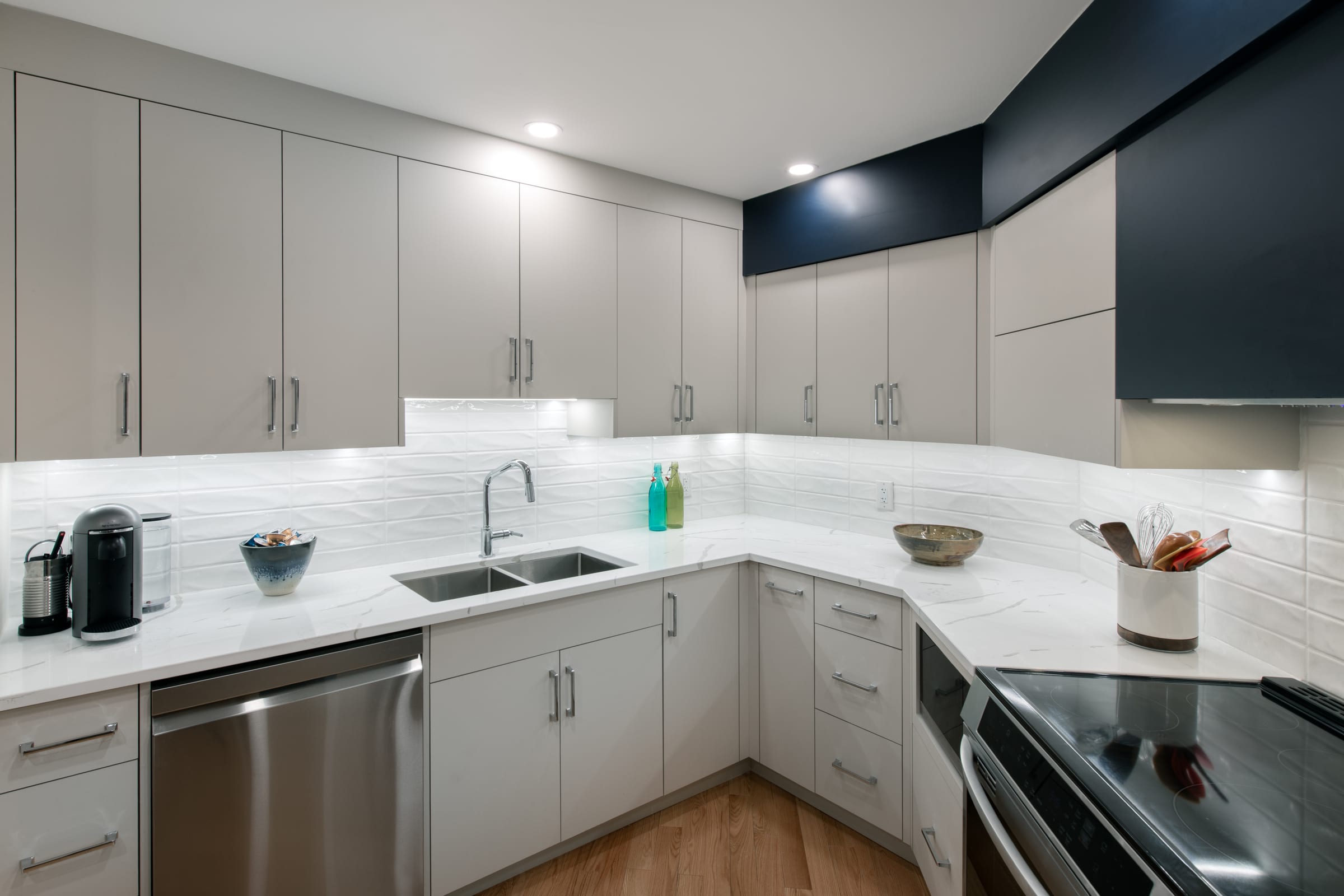
    Close view of millwork doors and a narrow shadow reveal 01 / field condition

    01 / resolve early

    Reveals and alignments

    What should the eye line up?

    A reveal is a deliberate gap or shadow line between two elements. It can separate doors from a wall, make a run of fronts legible, or carry a line from one elevation into the next.

    What it solves

    • Makes adjacent doors and panels read as one considered composition.
    • Leaves room for movement, tolerance, and the way doors are opened.
    • Gives installers a clear line to set out against rather than an accidental gap.

    What changes the decision

    The answer changes with adjacent casing, countertop thickness, flooring, door swing, and whether the line is meant to disappear or be seen.

    When to resolve it

    Name it during design development. Confirm its dimension and what it aligns with in the shop drawings, before fabrication.
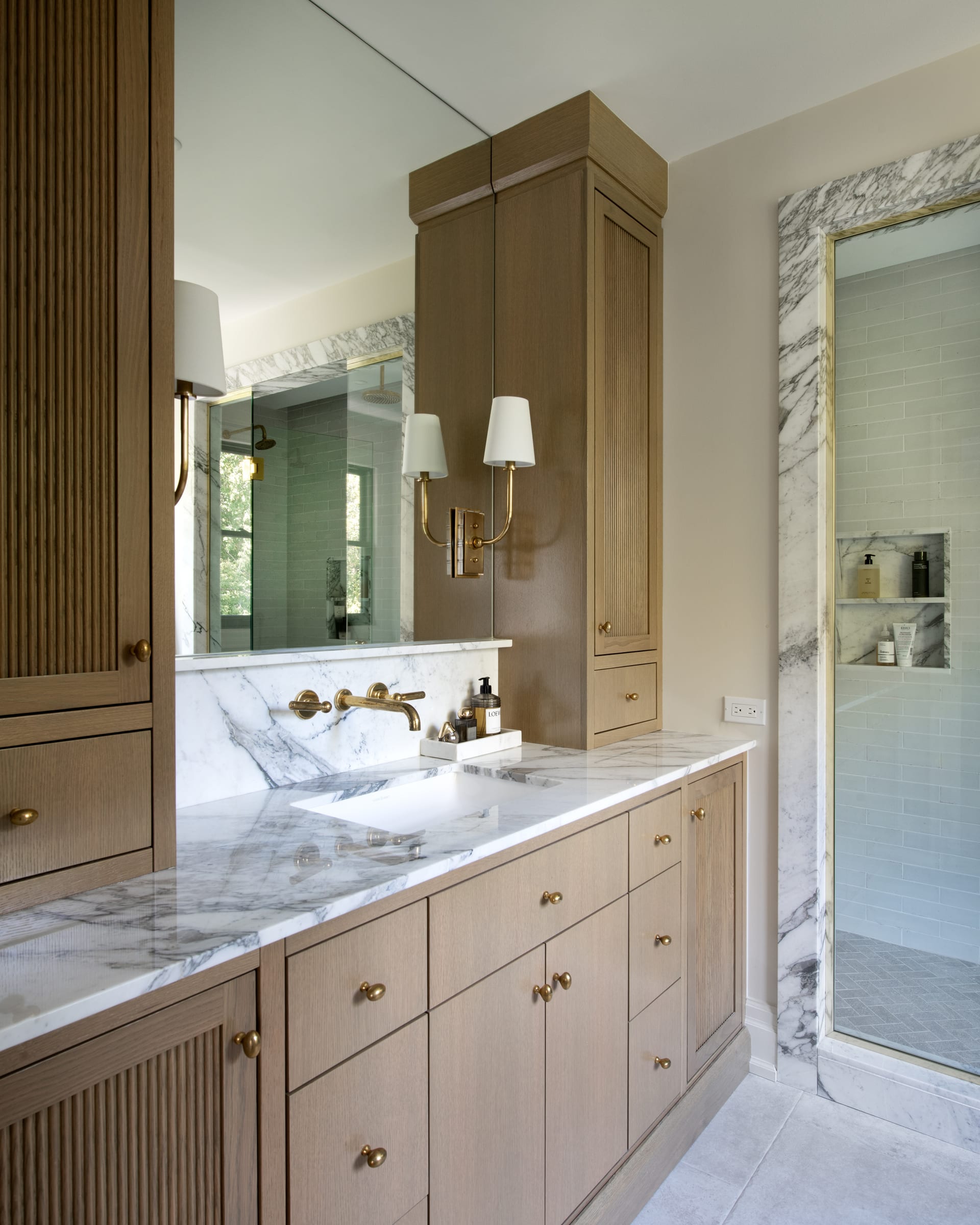
    Built-in millwork meeting a wall in a lived-in interior 02 / field condition

    02 / resolve early

    Scribed and fitted end conditions

    How does the work meet an imperfect room?

    Walls, floors, ceilings, and existing trim rarely make a perfect box. A scribe, return, filler, or carefully shaped end can make that meeting intentional without pretending the room is square.

    What it solves

    • Closes an uneven wall without forcing a cabinet out of position.
    • Protects a usable door or drawer opening at the end of a run.
    • Clarifies who measures, supplies, and adjusts the final connection on site.

    What changes the decision

    The amount of scribe depends on the wall’s variation, the depth of the face, nearby trim, appliance clearances, and whether the end is visible from the room.

    When to resolve it

    Investigate at site measure and resolve the strategy before the final cut list. Leave field-fit work explicit, not implied.

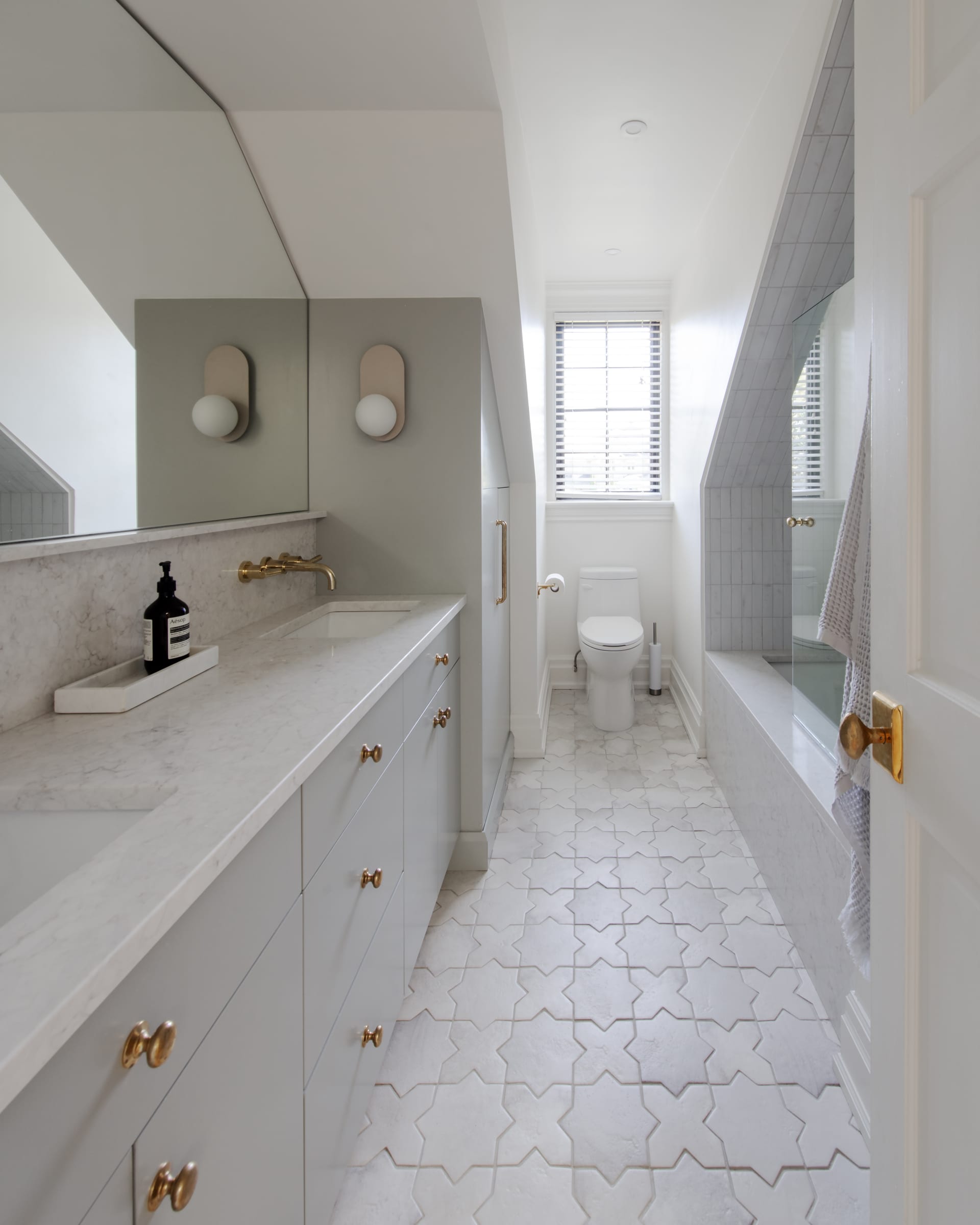
    Painted vanity cabinetry terminating in a full-height finished end panel 03 / field condition

    03 / resolve early

    Fillers versus finished panels

    Which parts are architecture, and which are adjustment?

    A filler closes a gap and lets a cabinet land where it needs to. A finished end panel is a visible face with its own edge, grain, and relationship to the adjacent doors. They are not interchangeable.

    What it solves

    • Keeps door and drawer proportions consistent across a run.
    • Allows appliance, wall, or structural tolerances to be absorbed cleanly.
    • Prevents a last-minute filler from becoming the most visible piece in the room.

    What changes the decision

    Decide based on sightlines, panel thickness, material direction, hardware clearances, and whether the side will be seen when entering or moving through the room.

    When to resolve it

    Resolve in elevations and plans before pricing is considered final. Mark visible ends, returns, and exposed edges.

    Millwork shelving with deliberate material direction and dark edge details 04 / field condition

    04 / resolve early

    Grain direction and matching

    How should the surface move across the room?

    Direction is a composition decision, not an afterthought. Veneer, decorative panels, laminates, and painted surfaces each create different opportunities for repetition, matching, and interruption.

    What it solves

    • Makes a bank of fronts feel calm or gives a single door useful emphasis.
    • Coordinates doors, fixed panels, drawer fronts, and edge bands.
    • Sets expectations for what can be matched and where a seam will remain visible.

    What changes the decision

    The product range, sheet size, usable yield, pattern repeat, edge band availability, and the number of doors that must be cut from a sheet all affect the result.

    When to resolve it

    Choose the direction with the material sample and elevations. Confirm matching expectations before ordering sheets.

    Close view of a cabinet edge and hardware in a warm interior 05 / field condition

    05 / resolve early

    Edge treatments and hardware placement

    What does the hand meet every day?

    The edge profile, pull, finger route, and door gap are felt more often than they are noticed. Small changes in projection and position can change how a room works.

    What it solves

    • Makes opening motions clear without adding visual noise.
    • Protects corners and gives a panel a deliberate finish.
    • Coordinates pulls with rails, stiles, appliance doors, and the rhythm of neighbouring fronts.

    What changes the decision

    Hand size, door width, swing, appliance location, child access, adjacent walls, and the chosen edge treatment all matter.

    When to resolve it

    Resolve alongside elevations and hardware schedules. Order samples when touch, projection, or sheen is difficult to judge from a drawing.

    Material is a decision
    about the whole process.

    Two useful directions

    Painted MDF and factory-finished decorative panels can both be right. Compare the surface, core, edge, availability, and the repair conversation—not just the sample in your hand.

    01 / painted MDF

    Flexible in shape and colour

    Painted MDF remains useful for custom colour, routed or profiled doors, seamless built-up forms, and a different repair and touch-up path. It can be the practical choice when the design depends on shaping, a particular colour, or a continuous painted form.

    Plan for
    Profile, primer and paint system, sheen, colour approval, and touch-up expectations.
    Resolve by
    Before final drawings, especially where profiles, shadow lines, and built-up corners meet.

    02 / factory-finished decorative panels

    Consistent surface, deliberate edges

    “Factory-finished decorative panels” is an umbrella term. Sublime Collection offers premium MDF panels faced with acrylic or polymer surfaces, with different gloss, matte, texture, and metallic directions. VelourTouch by Olon is an ultra-matte PVC material laminated on both faces, available with standard MDF or particleboard cores; product listings describe anti-fingerprint and scratch-resistant characteristics for that product.

    Kronospan has a broad decorative interior portfolio. Its melamine-faced products may use particleboard or MDF cores, made by heat bonding resin-impregnated decorative paper to the board. Coordinated laminates and edge bands may be available depending on the range.

    Plan for
    Core selection, edge banding, seam and grain planning, availability, lead time, and realistic field-repair expectations.
    Resolve by
    Before ordering and before shop drawings are locked; product-specific details must be checked with the selected range.
    Neither route is a shortcut.Surface, core, edge, and installation still need a drawing.

    Have a detail in mind?

    Bring the question
    to the drawing table.

    A plan, a photograph, or one awkward meeting condition is enough to begin a useful conversation.

    Open planning room